

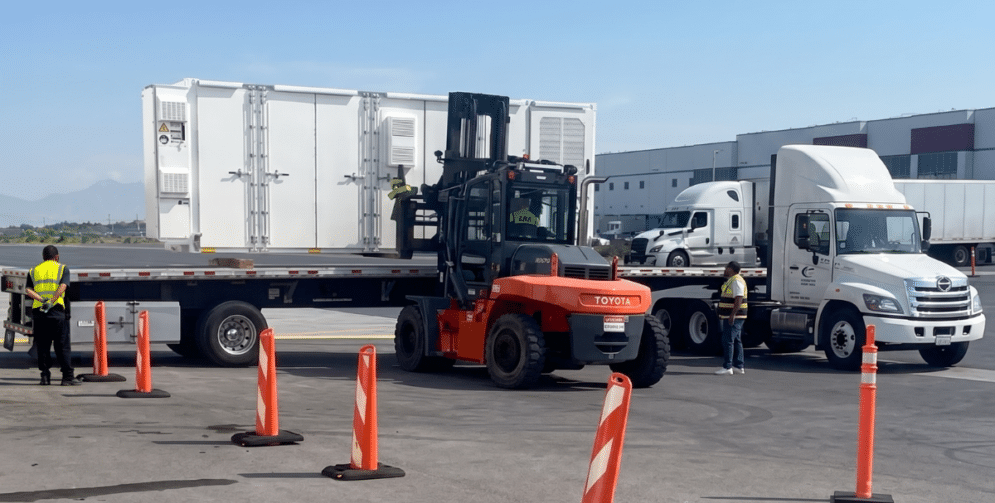
Supply chain complexities often drain resources, leaving businesses scrambling to find efficiencies. Managing inventory through traditional warehousing can tie up significant capital and lead to bottlenecks. Cross-docking services offer a powerful alternative, streamlining the movement of goods and dramatically reducing operational costs. This guide explores cross-docking, its core benefits, various types, and how Quality Distribution’s strategic application can transform your logistics, delivering immediate savings and improved efficiency for your business in the Intermountain West.
Quick Answer
Cross-docking is a logistics strategy where incoming goods are immediately transferred from an inbound transportation vehicle to an outbound vehicle, bypassing traditional warehouse storage. This method minimizes inventory holding times and handling, leading to significant cost savings in warehousing, labor, and transportation.
Table of Contents
- Understanding the Fundamentals of Cross-Docking
- Key Ways Cross-Docking Services Drive Cost Savings
- Types of Cross-Docking Operations
- When Are Cross-Docking Services Most Effective?
- Implementing Cross-Docking: Processes and Considerations
- The QDI SLC Difference in Cross-Docking Solutions
- Frequently Asked Questions
Understanding the Fundamentals of Cross-Docking
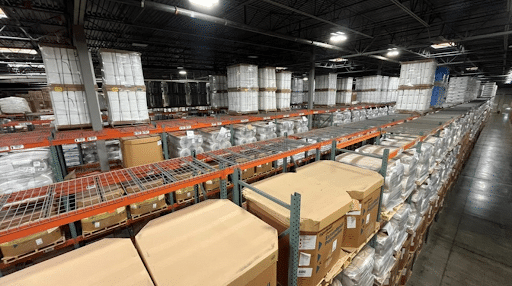
Cross-docking fundamentally redefines how goods move through the supply chain by eliminating or significantly reducing storage time. This strategy involves direct transfers, turning a traditional warehouse into a quick transition point. The goal is to keep products in constant motion, from inbound transports to outbound deliveries, with minimal pauses.
Defining Cross-Docking: A Quick Transfer Method
Cross-docking is a logistics practice where products are unloaded from an incoming truck or railcar and almost immediately loaded onto an outbound truck or railcar. This process minimizes the need for long-term storage in a warehouse facility. Instead of storing inventory, the facility acts as a sorting and consolidation hub. The primary objective is to accelerate product flow, reducing the time goods spend idle. This method contrasts sharply with traditional warehousing, which relies on extensive storage and retrieval operations. Cross-docking prioritizes rapid throughput over static inventory.
The Core Concept: Moving Goods Without Storage
The core concept behind cross-docking is efficient replenishment and demand fulfillment without accumulating inventory. Goods arrive at a cross-dock facility, are sorted by destination, and then quickly consolidated onto new trailers for onward shipping. This system reduces inventory holding costs and accelerates delivery times. This approach requires precise coordination and real-time visibility into incoming and outgoing shipments. By bypassing traditional storage, businesses can respond faster to customer demand and market changes. We leverage advanced Warehouse Management Systems (WMS) to coordinate these complex movements, ensuring clean transitions.
Pro Tip: Businesses serving major retailers like Walmart or Costco often rely on cross-docking to meet strict delivery windows and avoid costly chargebacks for late shipments. This precision is essential for maintaining strong retail partnerships.
Key Ways Cross-Docking Services Drive Cost Savings
Many businesses struggle with the financial burden of traditional warehousing, including high storage costs, inefficient labor allocation, and prolonged inventory cycles. Cross-docking offers a strategic solution by directly addressing these pain points, transforming how companies manage their inventory and transportation logistics. This shift creates substantial savings.
Reducing Inventory Holding Costs
Cross-docking significantly reduces inventory holding costs by minimizing the time products spend in storage. This cuts expenditures on warehouse space, insurance, security, and potential product obsolescence. Traditional inventory ties up capital, but cross-docking keeps that capital moving. A typical inventory holding cost can range from 15% to 30% of the inventory’s value annually. By reducing the inventory held, businesses free up considerable capital. This capital can then be reinvested in core operations or growth initiatives, directly impacting the bottom line. For more on improving freight movement, see our page on shipping optimization.
Improving Warehouse Space and Labor
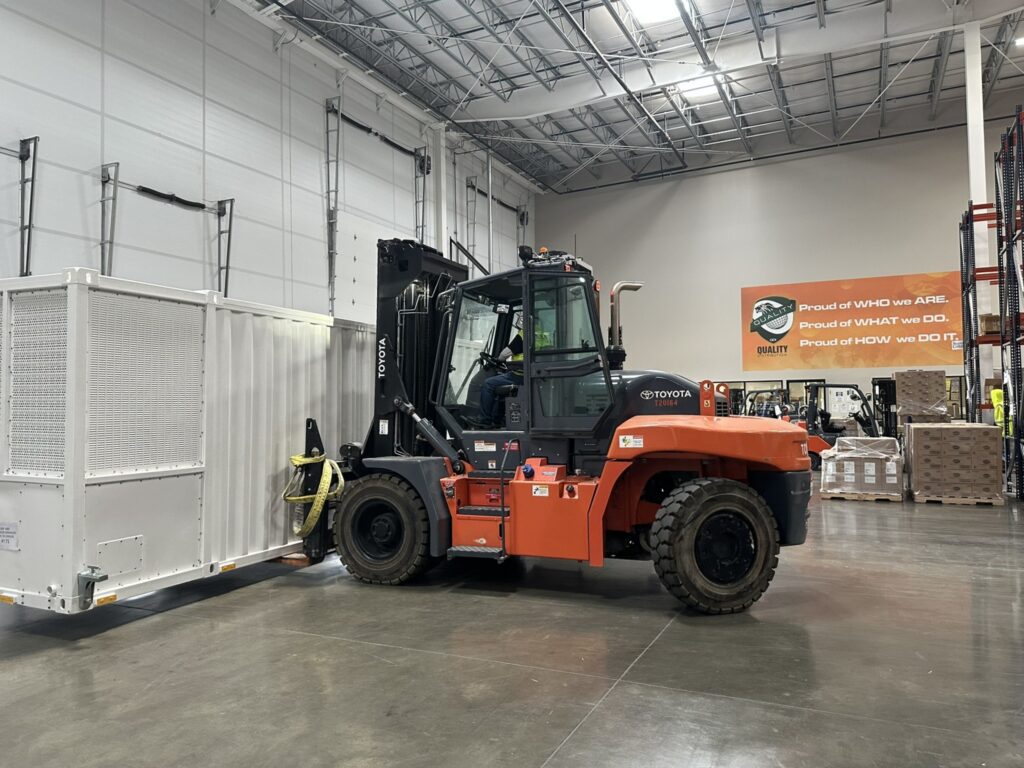
Cross-docking dramatically improves warehouse space by converting it from long-term storage to a dynamic transit hub. This reduces the need for extensive shelving systems and large square footage dedicated solely to static inventory. For example, our portion of our 1.6 million square feet of warehouse space in the Salt Lake area is designed for both storage and efficient cross-dock operations. Employees focus on efficient unloading, sorting, and loading, rather than complex inventory management tasks. Operations managers in regulated industries can especially benefit from this efficiency because it supports stronger compliance without adding extra labor.
Streamlining Transportation and Delivery
The consolidation inherent in cross-docking streamlines transportation, leading to more efficient and cost-effective delivery cycles. Full truckloads are shipped directly to their destination, reducing the number of less-than-truckload (LTL) shipments and associated costs. This approach also shortens transit times, improving customer satisfaction. Consolidating multiple smaller shipments into full truckloads reduces fuel consumption and carrier fees. This process is particularly beneficial for businesses using our customized grocery distribution services, where timely delivery of fresh products is critical. It ensures products reach their destination faster and in ideal condition.
Types of Cross-Docking Operations
Cross-docking isn’t a one-size-fits-all solution; its application varies based on industry and product characteristics. Understanding these different types allows for tailored strategies that maximize efficiency and cost savings for diverse supply chain needs. Quality Distribution implements specific cross-docking models to serve distinct business requirements.
Manufacturing Cross-Docking
Manufacturing cross-docking involves consolidating inbound components and raw materials from various suppliers for just-in-time delivery to a manufacturing plant. This method ensures that production lines receive exactly what they need, precisely when they need it, reducing on-site raw material storage. It minimizes inventory buffers at the factory. This type of cross-docking is vital for lean manufacturing, preventing delays caused by missing parts or overstocking, which ties up valuable production space. It also supports Vendor Inventory Storage, where suppliers can maintain stock closer to their clients efficiently.
Distributor and Retail Cross-Docking
Distributor and retail cross-docking centralizes products from multiple vendors at a distribution center for immediate sorting and dispatch to various retail stores or customers. This consolidates diverse product lines into single outbound shipments, improving delivery routes and frequencies. It is critical for maintaining fresh stock and rapid replenishment cycles. Example: A distribution center receives daily deliveries from different food manufacturers. These goods are quickly sorted and assembled into mixed loads for individual grocery stores, ensuring each store receives a fresh and complete order without holding excess inventory. Some warehouses have retail distribution services that are designed for this exact scenario.
Transportation Cross-Docking Centers
Transportation cross-docking centers act as hubs for consolidating shipments from various carriers or origins onto other trucks for onward delivery to shared geographical areas. This type often involves long-haul freight breaking down into regional or local delivery routes. It reduces the number of partial truckloads traveling long distances. These centers are essential for improving route planning and maximizing vehicle capacity. For instance, a long-haul truck bringing goods from the East Coast might unload freight at our Salt Lake facility, where it’s then sorted onto smaller trucks for final mile delivery across the Wasatch Front.
When Are Cross-Docking Services Most Effective?
Implementing cross-docking successfully depends on specific product characteristics and industry applications. Not all goods are suited for this rapid transfer model, and understanding the ideal scenarios maximizes its cost-saving potential. We help identify if cross-docking aligns with your logistics strategy.
Ideal Product Characteristics for Cross-Docking
Cross-docking works best for fast-moving consumer goods (FMCG), perishable items, and products with consistent demand. These products benefit most from reduced handling and transit times. High-volume, predictable inventory allows for the precise scheduling required for effective cross-dock operations. Products ideal for cross-docking include:
- Perishable goods: Fresh produce, dairy, baked goods with short shelf lives.
- High-demand retail items: Popular electronics, seasonal fashion goods.
- Promotional products: Items for immediate sale or special campaigns.
- Consolidated shipments: Goods from multiple vendors destined for a single retail location.
- Pre-tagged or pre-packaged items: Products that require minimal processing at the cross-dock.
Industry Applications and Use Cases
Cross-docking is widely adopted across industries where speed and cost efficiency are critical. Retail, food and beverage, and automotive sectors are prime examples. Each uses cross-docking to maintain lean inventory and rapid replenishment. Key industry applications include:
- Grocery and Food Service: Fresh produce and temperature-sensitive goods move quickly from farm to store. Our FDA-registered warehousing supports these critical requirements.
- Retail: Moving seasonal apparel or promotional items from manufacturing directly to store shelves.
- Automotive: Distributing spare parts to dealerships or assembly plants with just-in-time delivery.
Disclaimer: This content is for informational purposes only. Consult a qualified professional for specific guidance.
Implementing Cross-Docking: Processes and Considerations
Implementing cross-docking effectively requires more than just moving goods quickly; it demands reliable planning, precise execution, and technological integration. Businesses must consider both the logistical processes and potential challenges to maximize its benefits. Our approach addresses these complexities proactively.
Technology and Software for Efficient Cross-Docking
Advanced technology and sophisticated software are critical for successful cross-docking operations, providing the real-time visibility and coordination necessary. Without these tools, the precision required for direct transfers would be impossible to achieve efficiently. We use industry-leading systems to manage complex logistics. Essential technologies include:
- Warehouse Management Systems (WMS): Our Extensiv WMS tracks inventory from the moment it enters to when it leaves, helping with efficient slotting and rapid transfers.
- Transportation Management Systems (TMS): These improve route planning and carrier selection for outbound shipments.
- Barcode and RFID Scanning: Ensures accurate product identification and tracking.
- EDI (Electronic Data Interchange): For smooth communication between partners regarding shipment details.
Pro Tip: Businesses aiming for effortless integration with partners often leverage platforms like SAP ERP or Oracle WMS. These systems provide the backbone for real-time data exchange and operational visibility.
Addressing the Risks and Challenges
While cross-docking offers significant benefits, it isn’t without risks, primarily centered on coordination and the potential for errors. Miscommunication or inaccurate data can lead to delays or misrouted shipments. These challenges must be carefully managed to maintain efficiency. Primary risks include:
- Data Accuracy: Inaccurate incoming shipment data can cause sorting errors and delays.
- Scheduling Conflicts: Poor coordination between inbound and outbound carriers can create bottlenecks.
- Product Damage: Increased handling, even if brief, can increase the risk of damage if not managed correctly. Our modern facilities and trained staff minimize this.
- Dependency on Suppliers: Requires reliable, on-time deliveries from suppliers.
Quality Distribution mitigates these risks through thorough planning, advanced WMS tracking, and dedicated staff who oversee every transfer. We emphasize precision at every step to eliminate errors, which is vital for operations managers, who prioritizes accuracy for medical devices.
The QDI SLC Difference in Cross-Docking Solutions
Quality Distribution stands out in the Intermountain West for its full approach to cross-docking, combining strategic location, extensive facilities, and a deep commitment to customer success. We don’t just move goods; we improve your supply chain for speed and efficiency. Our core values, like “Put People First” and “Take Ownership,” guide every service we provide. We’re the largest Food- and Medical-Grade 3PL in the Intermountain West, underscoring impeccable cleanliness and compliance standards. Our five strategically located buildings in the Salt Lake area, totaling 1.6 million square feet, position us perfectly at the nexus of I-15 and I-80. This ideal location means faster transit times for cross-docked goods, reducing overall transportation costs for our partners. Our asset-based fleet further ensures reliable final-mile delivery across the Salt Lake Valley and Wasatch Front. We commit to a structured “Quality Way” onboarding process, ensuring effortless integration from initial discovery to routine support. This includes matching you with a dedicated Customer Success Manager (CSM) and the top warehouse space for your goods. Our customers also benefit from real-time inventory visibility through our advanced WMS, allowing for transparent control over their products. With over 30 years of expertise and numerous certifications, including SQF, Organic, FDA, GMP, and ISO 9001:2015, we provide dependable, compliant cross-docking solutions that improve your profitability and operational efficiency. You can learn more about our commitment to compliance here.
Frequently Asked Questions
The Bottom Line
Cross-docking is a powerful strategy to accelerate your supply chain, reduce overhead, and increase responsiveness. It directly addresses the pain points of inventory holding costs and inefficient traditional warehousing. Businesses that implement cross-docking correctly gain a significant competitive edge through leaner operations.
Streamline Your Logistics with QDI Today
Improving your supply chain is a critical step towards sustained growth and profitability. With Quality Distribution’s proven cross-docking services, you can transform your logistics from a cost center into a strategic advantage. We provide the expertise, facilities, and technology to make your operations clean and efficient. Don’t let complex logistics hold your business back. Partner with a leader in the Intermountain West for full cross-docking services that deliver real savings and unparalleled reliability. Call us today for a personalized assessment of your needs and discover how our tailored solutions can benefit your business.
Related Reads
- Warehousing, Distribution & Fulfillment News | Quality Distribution
- Shipping Optimization, Warehousing, Distribution & Fulfillment
- Warehouse Security | Secure Inventory Management Warehousing

- What Is Cross-Docking & How It Saves Your Business Money - July 2, 2026
- Why Regional Distribution Matters in Modern Supply Chains - June 22, 2026
- LTL vs. FTL: Choosing the Right Freight Option for Your Business - June 11, 2026