
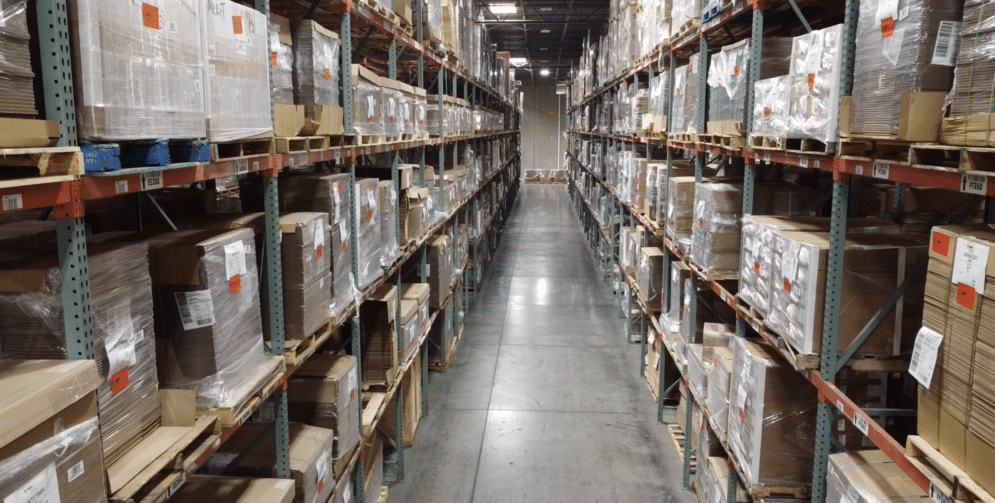
Finding the right warehouse space involves more than choosing a location and comparing prices. Your products need suitable storage conditions, careful handling, and reliable inventory management to maintain their quality throughout the supply chain.
Ambient storage offers a practical, cost-effective solution for businesses storing products that do not require refrigeration or specialized temperature control. However, not every shelf-stable product has the same storage requirements.
At Quality Distribution, we help businesses simplify warehousing and distribution through certified facilities, inventory management, and dependable transportation services.
This ambient storage FAQ answers common questions about product suitability, warehouse conditions, costs, compliance, and how to choose a reliable 3PL warehousing partner in Salt Lake City, Utah.
What Is Ambient Storage in Warehousing?
Ambient storage refers to storing goods in a non-refrigerated warehouse environment where products can remain safe and stable under the facility’s operating conditions.
Unlike temperature-controlled storage, ambient warehousing generally does not rely on active heating or cooling systems to maintain a narrow temperature range.
It is commonly used for products such as packaged foods, household supplies, retail merchandise, and certain industrial materials.
However, ambient does not mean unrestricted storage. Products must still be evaluated for temperature sensitivity, moisture exposure, packaging strength, and handling requirements.
A professional third-party logistics (3PL) provider helps coordinate these requirements while managing inventory, receiving, storage, and outbound distribution.
What Is the Difference Between Ambient and Climate-Controlled Storage?
The primary difference is how environmental conditions are managed.
Ambient storage accommodates products that tolerate the warehouse’s agreed operating environment. Climate-controlled storage uses specialized systems to maintain defined conditions for products requiring additional protection.
| Feature | Ambient Storage | Climate-Controlled Storage |
|---|---|---|
| Temperature | Non-refrigerated environment | Actively regulated |
| Ideal products | Approved shelf-stable goods | Temperature-sensitive goods |
| Operating costs | Generally lower | Generally higher |
| Environmental monitoring | Based on product requirements | Based on defined control limits |
| Best use | General warehousing and distribution | Specialized product protection |
Which option should you choose?
Start with your manufacturer’s storage specifications. If your products tolerate the expected warehouse conditions, ambient storage may offer a more economical solution without unnecessary environmental-control expenses.

What Products Are Suitable for Ambient Storage?
Ambient warehousing supports a wide range of commercial products, as long as their storage requirements match the facility’s conditions.
Common examples include:
- Shelf-stable packaged foods: Sealed snacks, dry ingredients, and approved packaged grocery products.
- Retail merchandise: Clothing, accessories, household items, and durable consumer goods.
- Packaging materials: Cardboard boxes, paper products, and shipping supplies.
- Industrial products: Approved components, tools, and manufacturing materials.
- Selected medical supplies: Non-temperature-sensitive products stored according to manufacturer guidelines.
Even within these categories, individual products may require special precautions.
For example, cardboard packaging can weaken when exposed to moisture, while certain adhesives or product finishes may deteriorate under excessive heat.
Before selecting warehouse storage in Utah, review product specifications, packaging instructions, and any applicable handling restrictions.
What Temperature and Humidity Levels Are Acceptable for Ambient Storage?
No universal temperature or humidity range applies to every ambient warehouse.
Acceptable conditions depend on the product’s manufacturer specifications and the warehouse’s actual operating environment.
This distinction is especially important in Salt Lake City, where seasonal temperatures vary significantly between summer and winter.
Businesses should consider several factors before placing inventory in ambient storage:
- Manufacturer-defined minimum and maximum temperatures.
- Humidity sensitivity and moisture-protection requirements.
- Seasonal conditions inside the warehouse.
- Exposure during loading, unloading, and transportation.
- Procedures for identifying damaged or unsuitable inventory.
Humidity can affect packaging integrity even when the products themselves are relatively temperature-resistant.
Working with an experienced 3PL provider helps you identify these requirements before inventory arrives at the facility.
Is Ambient Storage More Cost-Effective Than Climate-Controlled Warehousing?
Yes, ambient storage is often more cost-effective when products do not require active environmental control.
Because ambient facilities generally avoid the additional energy and equipment costs of specialized climate systems, they can offer competitive storage options.
However, your total warehousing costs depend on more than the storage environment.
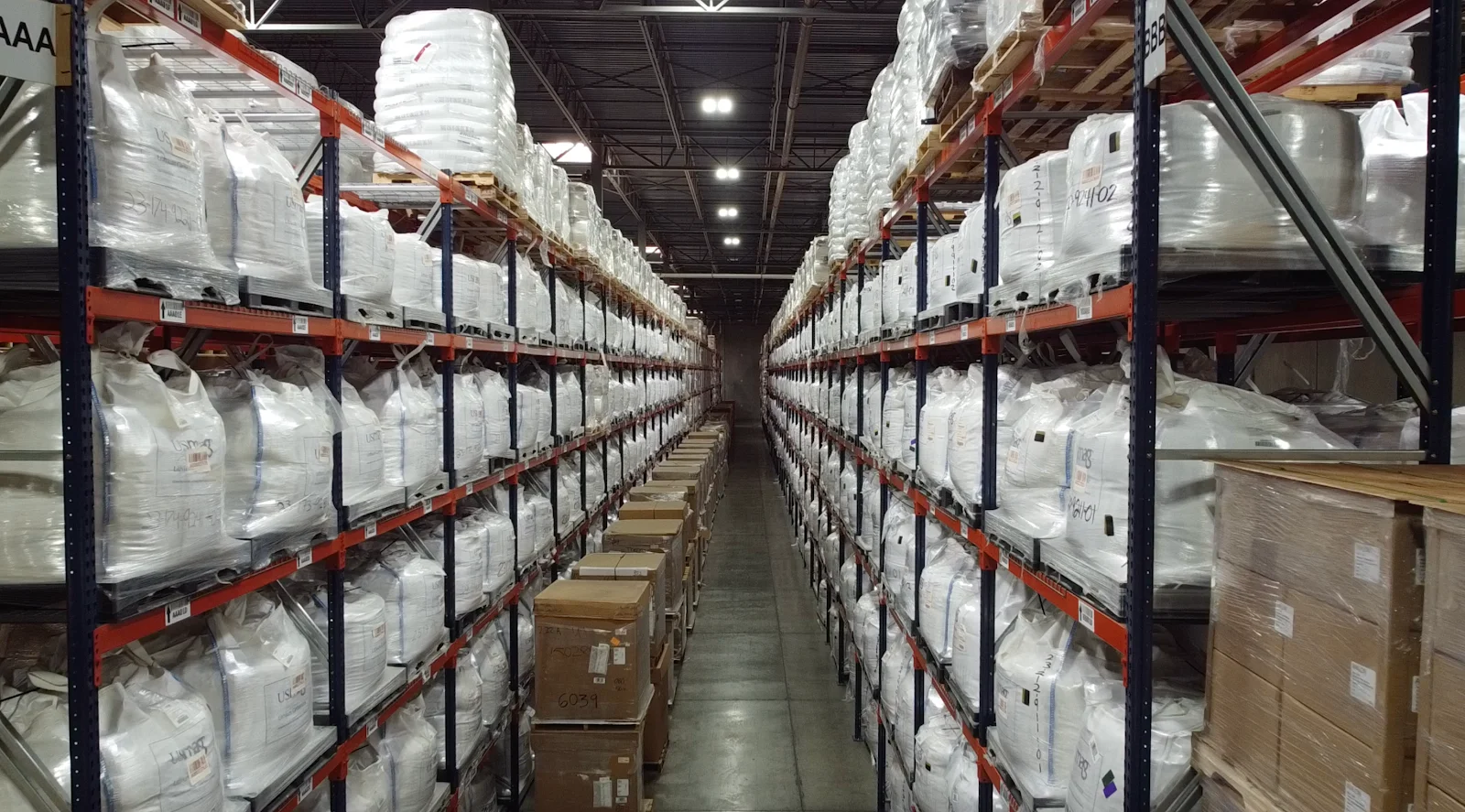
Important pricing factors include storage volume, pallet dimensions, inventory turnover, receiving frequency, order fulfillment activity, and special handling requirements.
For example, a business storing full pallets long-term in bulk storage will have a very different cost profile than one processing hundreds of individual customer orders each week.
When comparing 3PL quotes, request pricing based on your actual inventory volume and operational needs.
The goal is not simply to find the lowest storage rate. It is to secure dependable product protection, efficient handling, and predictable logistics costs.
How Does Ambient Warehousing Protect Product Quality?
Maintaining product integrity requires consistent warehouse procedures, not just suitable environmental conditions.
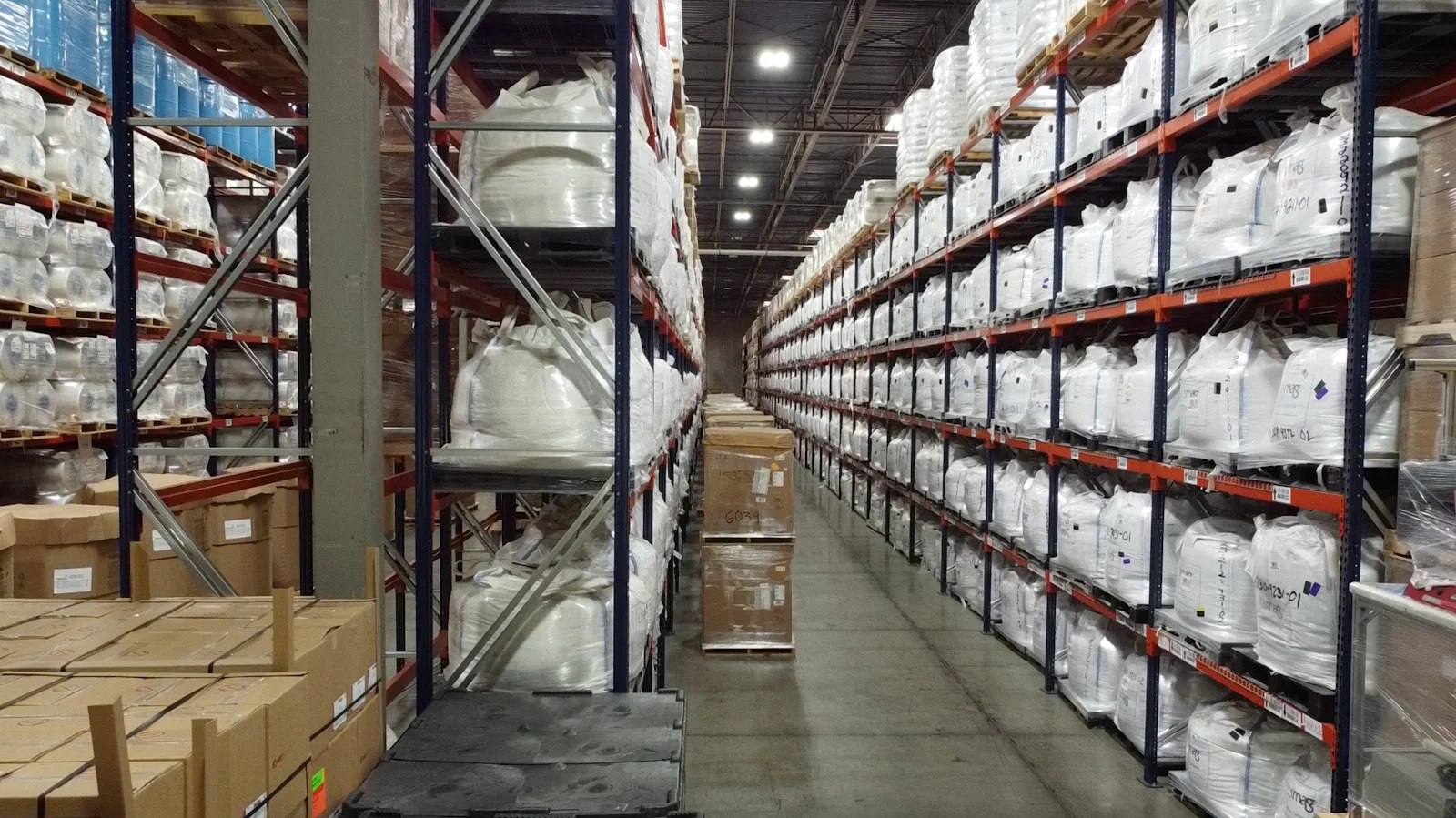
A reliable ambient warehousing operation should incorporate receiving inspections, appropriate pallet placement, safe stacking, inventory tracking, and documented handling instructions.
Important practices include:
- Receiving inspections: Identifying visible shipment damage and discrepancies.
- Inventory tracking: Maintaining accurate product quantities, locations, and movement records.
- Proper stacking: Following packaging weight limits and pallet requirements.
- Stock rotation: Applying first-in, first-out (FIFO) or first-expiring, first-out (FEFO) procedures when appropriate.
- Damage management: Separating questionable inventory until authorized decisions are made.
At Quality Distribution, inventory management, physical counts, and warehouse audits support organized storage and distribution operations.
Our goal is to help you maintain inventory accuracy while reducing avoidable handling problems and fulfillment delays.
What Certifications Matter for Ambient Food Warehousing?
Certifications and regulatory requirements matter most when storing food, dietary supplements, and other regulated products.
Even when refrigeration is unnecessary, businesses must consider sanitation, product separation, traceability, and applicable food safety requirements.
Quality Distribution offers the confidence of established operational credentials, including:
- ISO 9001:2015 Certification: Quality management systems focused on consistent processes and improvement.
- SQF Level 3 Certification: Food safety and quality management standards.
- FDA-Registered Facilities: Registration supporting applicable food-related warehousing operations.
- Organic Certification: Supporting appropriate handling of qualifying organic products.
- DOT Compliance: Applicable transportation safety and regulatory requirements.
Always confirm product-specific acceptance and handling requirements before storage begins.
For food manufacturers and distributors, choosing a certified warehousing partner can simplify supplier evaluations and strengthen confidence in inventory handling.
Can Ambient Storage Support Order Fulfillment and Distribution?
Absolutely. Ambient warehousing can serve as the foundation for an integrated fulfillment and distribution strategy.
Instead of using separate providers for storage, order processing, and transportation, businesses can coordinate these activities through a single 3PL partner.
Quality Distribution supports customers with inventory management, B2B and direct-to-consumer fulfillment, cross-docking, kitting, repacking, and retail distribution.
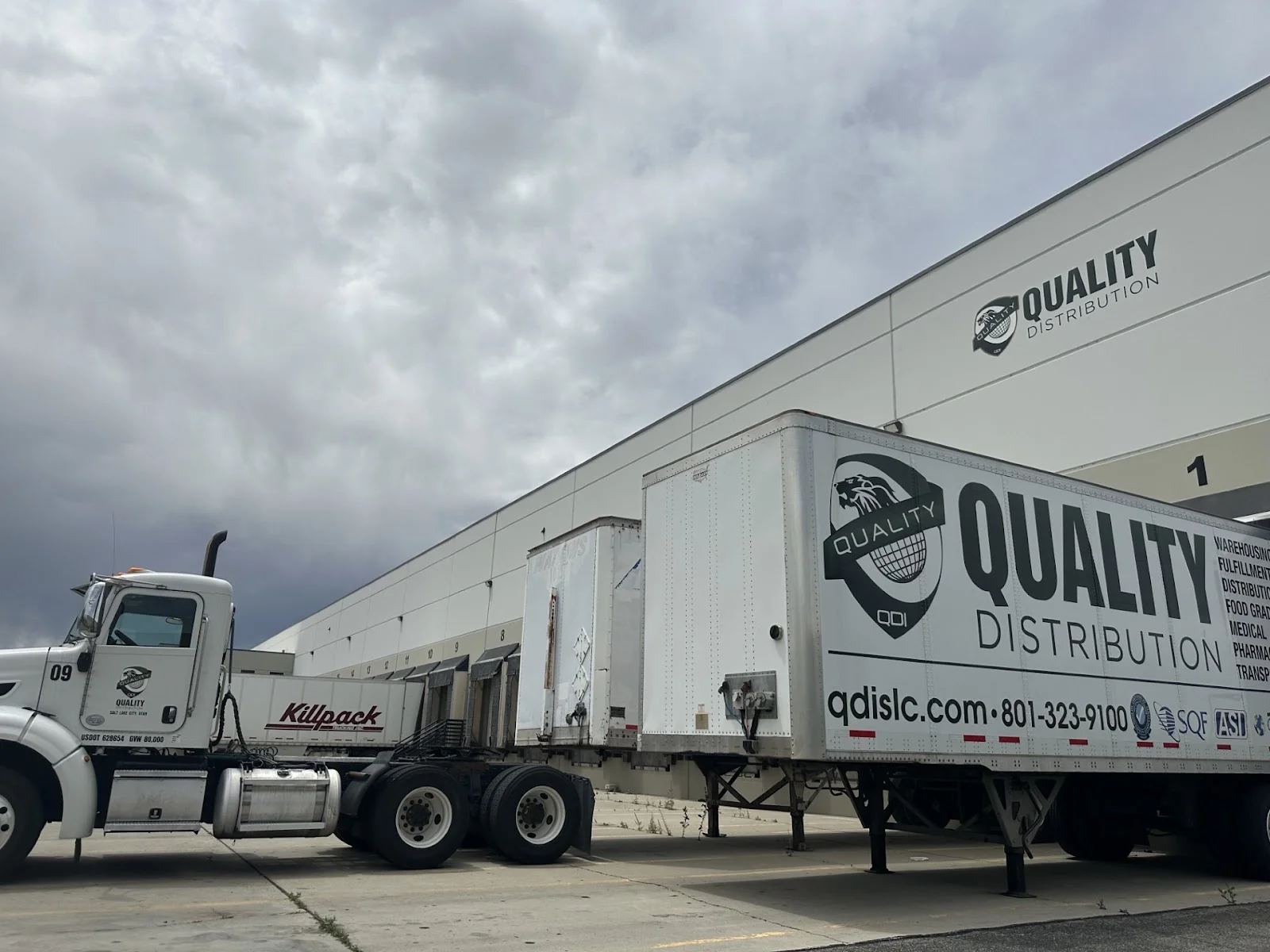
Our company-owned fleet provides additional control over regional deliveries throughout Salt Lake City and surrounding Utah markets.
This integrated approach can help businesses reduce unnecessary freight handoffs, simplify communication, and respond more efficiently to changing order volumes.
For growing retailers, manufacturers, and distributors, combining ambient storage with fulfillment services creates a more connected supply chain.
How Do You Choose the Right Ambient Storage Provider in Salt Lake City?
Choosing the right warehouse partner requires evaluating operational capabilities alongside storage pricing.
Before requesting a proposal, consider these questions:
- Does the warehouse accommodate your specific product requirements?
- Can the provider manage your expected inventory volume?
- Are relevant certifications and compliance procedures in place?
- Does the operation support inventory tracking and accurate order fulfillment?
- Can transportation and distribution services grow with your business?
Location is another important consideration.
With five warehouse facilities in Salt Lake City, Quality Distribution supports businesses serving the Salt Lake Valley, West Valley City, Magna, Draper, Ogden, and surrounding regional markets.
Our company-owned fleet works alongside our warehouses, helping customers coordinate storage and delivery through one experienced partner.
How Can Quality Distribution Help With Your Ambient Storage Needs?
The right ambient storage solution should protect your inventory while simplifying everyday logistics.
Quality Distribution provides scalable 3PL warehousing in Salt Lake City, supported by certified operations, inventory management, fulfillment capabilities, and dependable regional distribution.
Whether you need extra warehouse capacity, support for growing retail orders, or a more efficient distribution process, our team can help you evaluate your storage and handling needs.
We begin by understanding your products, shipment volumes, and operational priorities so you can make an informed warehousing decision.
Find the Right Ambient Storage Solution in Utah
Ambient storage can be an efficient, economical choice when you match your products with the right warehouse conditions and professional handling procedures.
With five Salt Lake City facilities, recognized certifications, and a company-owned fleet, Quality Distribution helps businesses simplify warehousing, fulfillment, and regional distribution.
Ready to discuss your warehouse storage needs?
Request a Quote or call (801) 323-9100 to speak with the Quality Distribution team about ambient storage and 3PL warehousing solutions in Utah.

- Ambient Storage: Frequently Asked Questions - November 25, 2026
- How to Choose the Right Transloading Services: Complete Guide - November 2, 2026
- How to Choose the Right Bulk Storage: Complete Guide - October 27, 2026