

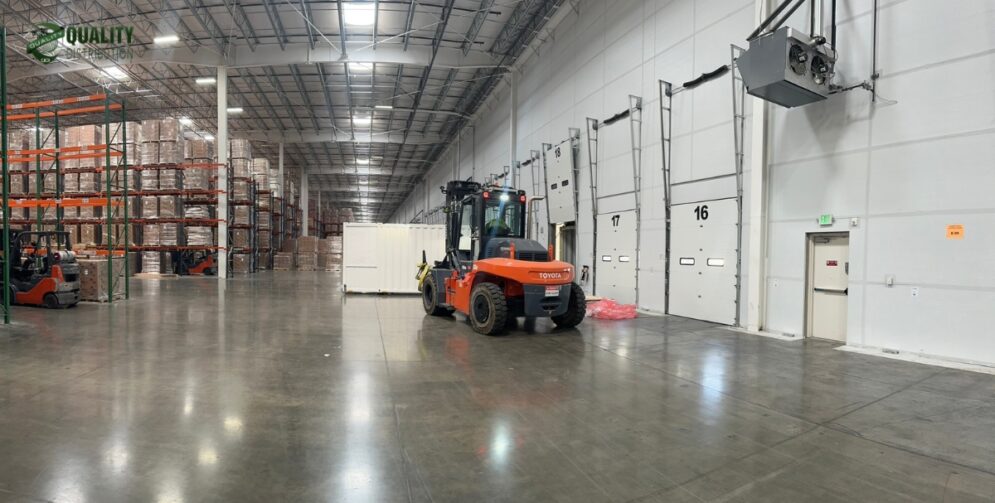
A Smart Way to Solve Your Storage Problem
Here’s the thing. Space issues hit every growing business at some point. You start by renting a little extra storage, then a little more, and before you know it, you’re juggling pallets across units, losing track of inventory, and fighting delivery delays that shouldn’t be happening.
If you’re in Salt Lake City or anywhere in the region and trying to decide whether a basic storage unit is enough or if it’s time to bring in a 3PL, you’re not alone. This guide breaks down exactly when each option makes sense and how to pick the one that protects your time, your customers, and your bottom line.
You’ll walk away knowing what fits your current stage of growth and what supports the future you’re building.
What We’ll Cover
Local Storage or 3PL: The Fast Answer

Before jumping into the details, here’s the practical truth.
You use a local storage facility when you simply need extra space and nothing more.
You use a 3PL storage solution such as those found in 3PL logistics when accuracy, distribution speed, compliance, or visibility matter to your operation.
A local unit holds your products.
A 3PL moves them correctly, safely, and on time.
Everything else you’ll read below explains the reason why.
When Local Storage Facilities Make Sense
Local storage has its place. If your operation is straightforward, the math is simple and the decision is easy.
1. You Only Need Basic Space and Nothing Operational
If you’re storing backup materials, slow-moving inventory, trade show assets, or items you rarely touch, a storage unit works. It’s cheap and easy to open. No contracts and no complexity.
But keep in mind that you won’t get any inventory oversight or accountability. Once your products roll into a unit, they’re your responsibility and yours alone.
2. You Have Very Low Turnover
If pallets sit untouched for weeks or months, a storage facility might be all you need. This is especially common for:
- Overflow inventory for once-a-year events
- Seasonal suppliers with long storage cycles
- Companies storing equipment rather than products
The moment your inventory starts moving more frequently, the limitations hit hard.
3. You Don’t Need Delivery or Distribution Support
Local storage works when you’re not trying to ship, pick, pack, or distribute from that space. The second you try to do any of that manually, the costs and errors add up quickly.
4. You Don’t Need Compliance, Tracking, or Temperature Control
Storage units offer four walls and a lock. That is all. There is no auditing, no product traceability, no chain of custody, no SKU tracking, and no regulated handling.
If your products require certified handling or auditing, you’ll need support from a facility that meets compliance certifications rather than a basic storage unit.
When 3PL Storage Solutions Are the Better Move
A 3PL is the right fit when space isn’t the real problem. Efficiency, accuracy, speed, and risk are the real concerns. Most companies don’t switch to a 3PL because they outgrow their space. They switch because they outgrow their ability to manage that space successfully.
1. You Need Space Plus Operations
A 3PL doesn’t just hold your products. It maintains them, tracks them, rotates them, ships them, and keeps them moving without you stepping in.
This matters the moment business becomes more than stacking boxes on racks.

A strong 3PL delivers:
- Receiving and putaway
- SKU level tracking
- Pick and pack
- Retail routing
- B2B and D2C order processing
- Cycle counts and reporting
- Returns management
If you want to see how more structured storage solutions work, look at professional storage solutions available through a certified provider.
2. You Need Faster Delivery and Fewer Mistakes

If your customers are complaining about late shipments or wrong orders, the root issue is usually one of two things:
- Inventory scattered across multiple places
- Manual handling without oversight
A 3PL fixes both. With a company-owned fleet and fulfillment teams working daily, the entire system becomes cleaner and more consistent.
You don’t have to babysit shipments. They simply go out.
3PLs also integrate with fast-moving distribution services that keep orders flowing.
3. You Need Compliance or Certifications
This is a turning point most businesses underestimate. If your products are regulated or touch food, retail, or consumer goods, storage units cannot protect you.
3PL solutions that meet modern standards offer:
- ISO 9001:2015 quality management
- SQF Level 3 food safety
- FDA registered facilities
- DOT compliance
- Organic handling certifications
This level of oversight is supported by dedicated teams and strict quality controls commonly found in inventory management services.
4. You Need Visibility Into Inventory
Local storage creates blind spots. A 3PL removes them.
With a web-based WMS, you get:
- Real-time stock levels
- Lot and batch tracking
- Multi-location visibility
- Order status
- Historical movement logs
- Audit-ready data
To see how this system works, review the capabilities of a web-based WMS that supports live control and reporting.
5. Your Business Is Growing and Random Space Fixes Are Failing
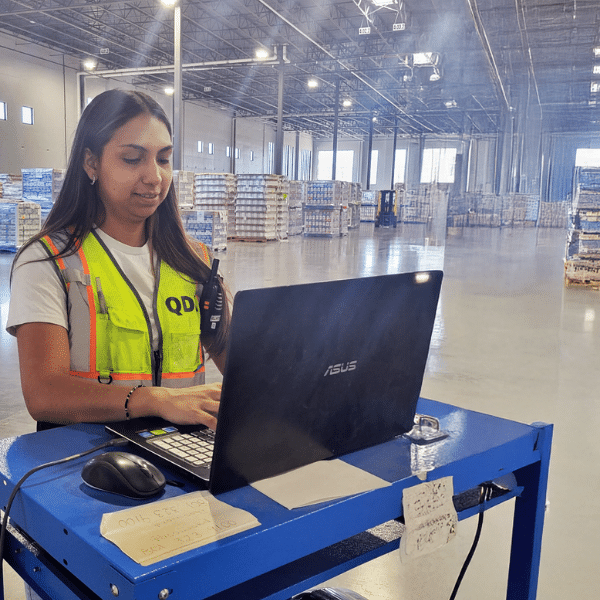
Growth changes everything. You hit a point where:
- You can’t keep renting more units
- Labor gets stretched
- Deliveries slow down
- Stockouts appear
- You lose inventory in the shuffle
A 3PL gives you capacity, labor, systems, and logistics support under one roof. When you scale, the infrastructure scales with you.
Companies looking for a wider operational lift usually review broader fulfillment services or integrated support across warehousing, packing, and distribution.
6. You Need Storage Plus Shipping
Here’s the simple test. If you’re storing products and also moving them, a 3PL almost always saves time and money long term.
Local storage forces you to:
- Send staff to pick items
- Load your own vehicles
- Handle last mile deliveries alone
- Deal with errors manually
A 3PL centralizes everything, including distribution and trucking support with transportation services that streamline the handoff from storage to delivery.
The difference in efficiency is significant.
How to Choose Between Local Storage and a 3PL
Let’s break it down into real scenarios that anchor the decision.
Choose Local Storage If
- You only need extra space
- Your products move slowly
- You don’t need tracking or compliance
- You don’t plan to ship from the storage location
- You have low SKU complexity
- You want the cheapest short term option
Choose a 3PL If
- Speed and accuracy matter
- You ship regularly to stores or customers
- You need inventory visibility
- You manage multiple SKUs or fast moving stock
- Your customers rely on strict timelines
- You need certifications or quality control
- Your operation is growing and unpredictable
Most established brands start with local storage and eventually transition to a 3PL once the cost of doing it themselves outweighs the cost of outsourcing.
What Most Businesses Miss When Comparing the Two
This is where real operational experience matters. Space is the surface level issue. The deeper truth is this:
The wrong storage choice slows down your entire supply chain.
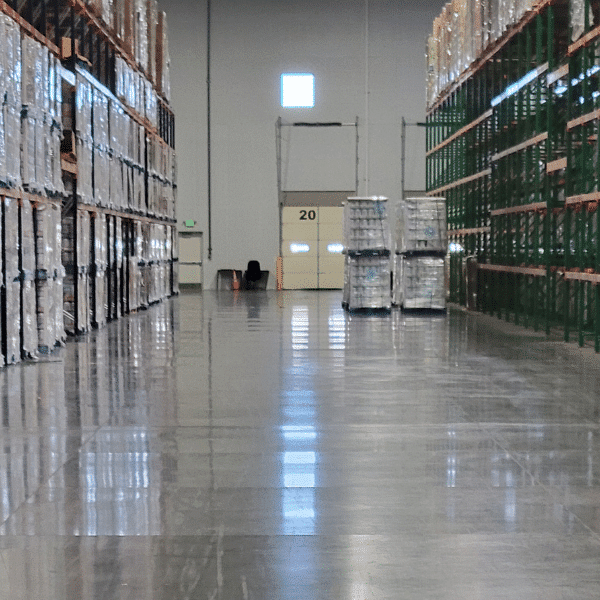
Here are the hidden costs that never appear on a storage unit invoice:
- Time spent finding products
- Delays caused by labor gaps
- Damaged inventory
- Incomplete receiving
- Errors from manual handling
- Customers lost due to late orders
- Freight rescheduling
- Lack of audit trails
- Overlapping pickups and drop offs
When a business reaches these frustration points, a 3PL stops being an upgrade and becomes a necessity.
What Real Expertise Looks Like
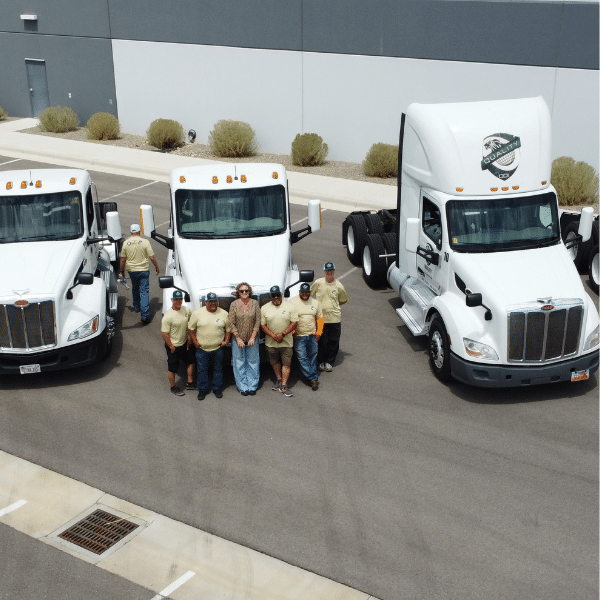
At Quality Distribution, we see this every day. Companies come to us after:
- They’ve outgrown multiple storage units
- They’re losing track of inventory
- Delivery windows keep slipping
- A retail partner demands compliance
- They need a warehouse that can also ship
- They’re opening new markets and need a reliable hub
To understand the team behind these services, you can learn more about us here: About Us.
With five FDA registered facilities in Salt Lake City and an asset based fleet, we help businesses move from scattered storage to a clean, controlled, fully supported logistics backbone.
That clarity gives leaders peace of mind and restores predictable performance.
A Light Next Step If You’re Unsure
If you’re weighing these options and want a clearer picture of what works for your operation, it helps to see what a certified 3PL can take off your plate.
You can explore our warehousing, fulfillment, and distribution services anytime or request a quote to see what a full support model looks like in practice.
No pressure. Just clarity.
Connect with us directly here: Contact Us.
Frequently Asked Questions
Ready for a Storage Decision That Supports Your Growth
Your storage choice shapes the efficiency of your entire supply chain. Local storage works when you simply need space. A 3PL works when accuracy, movement, and reliability matter.
If you’re scaling in or around Salt Lake City and want storage that supports your operation, explore your options, see what fits, and reach out when you’re ready.
Your customers will feel the difference long before you do.

- Understanding 3PL Warehousing: A Comprehensive Guide to WMS in Logistics - March 13, 2026
- Comparing 3PL Storage Warehouses: What to Look For - January 6, 2026
- When to Use Local Storage Facilities vs. 3PL Storage Solutions - January 6, 2026