

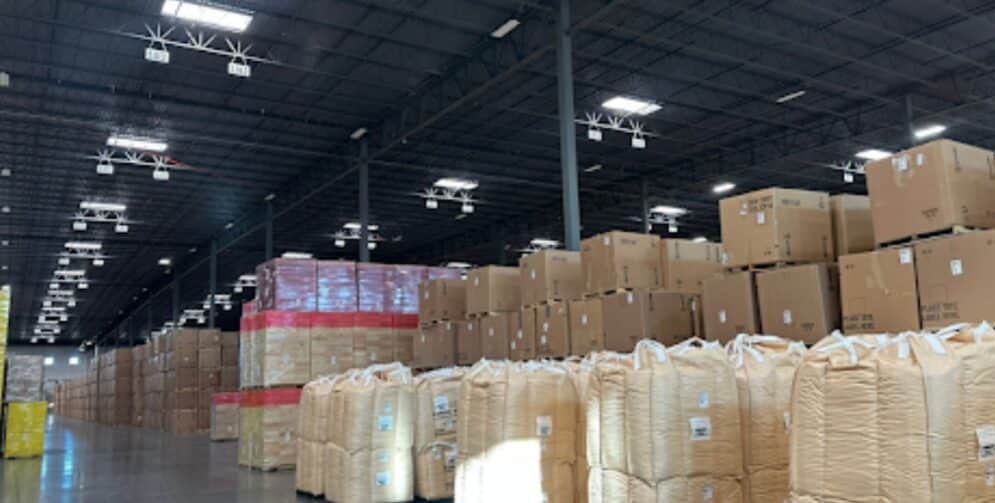
In today’s dynamic business landscape, managing logistics can often feel like navigating a complex maze. Businesses are constantly seeking ways to optimize their supply chains, reduce operational costs, and enhance customer satisfaction. We’ve seen firsthand how crucial efficient warehousing is to achieving these goals, especially as customer expectations for speed and accuracy continue to rise.
For many companies, juggling inventory, intricate shipping schedules, and the sheer volume of goods can become overwhelming. This is where the concept of Third-Party Logistics (3PL) warehousing, powered by advanced Warehouse Management Systems (WMS), becomes not just beneficial but truly transformative. At Quality Distribution, LLC., we understand that a robust logistics strategy isn’t just about moving goods; it’s about intelligent management, precision, and foresight.
This comprehensive guide will demystify 3PL warehousing and delve into the critical role of a sophisticated warehouse management system logistics offers. We’ll explore how these powerful tools streamline operations, provide unparalleled visibility, and ultimately contribute to your business’s success. Whether you’re new to 3PL or looking to optimize your existing setup, we offer the expertise and solutions to help you thrive.
What is 3PL Warehousing, and Why is it Essential for Modern Logistics?
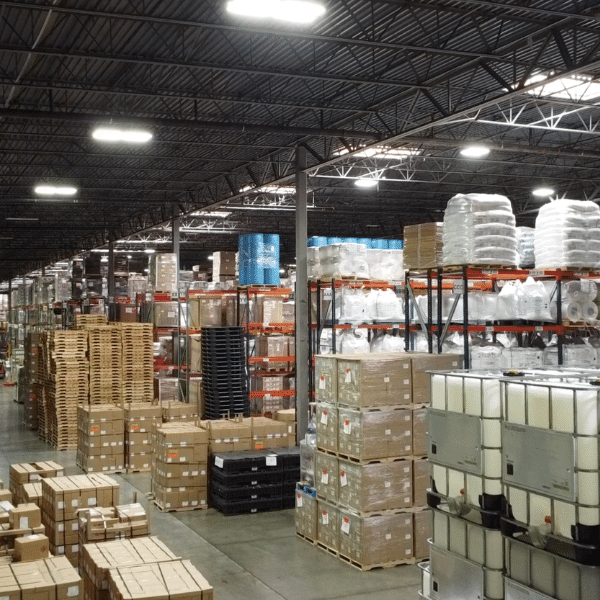
Imagine your products flowing seamlessly from manufacturing to your customers’ hands, with every step tracked, optimized, and managed with precision. This is the promise of 3PL warehousing. A Third-Party Logistics provider, or 3PL, is a company that offers outsourced logistics services, covering everything from warehousing and transportation to supply chain management. For us, it means providing integrated services that allow our clients to focus on their core business while we handle the complexities of their supply chain.
In our experience, the decision to partner with a 3PL goes beyond simply outsourcing storage. It’s about leveraging specialized expertise and infrastructure
that would be costly and time-consuming to develop in-house. We often work with businesses grappling with growth, seasonal fluctuations, or the need to expand their market reach without investing heavily in their own distribution networks. Building a reliable logistics operation takes significant investment in facilities, technology, and highly trained personnel, which is precisely what a trusted 3PL brings to the table.
The Evolution of Third-Party Logistics (3PL)
The concept of 3PL has evolved significantly from basic storage and transportation. Initially, 3PLs primarily offered basic services such as storing goods and arranging their shipment. However, as supply chains grew more complex and global, so did the offerings of 3PL providers. Today, modern 3PLs like Quality Distribution, LLC. provide comprehensive solutions that integrate advanced technology, strategic planning, and a deep understanding of market dynamics.
We’ve witnessed this evolution firsthand over our 30+ years in the industry. From manual inventory processes to sophisticated automated systems, the shift has been dramatic. The demand for faster delivery, real-time tracking, and specialized handling of diverse products has pushed 3PLs to innovate continuously. This evolution means that choosing a 3PL today isn’t just about capacity; it’s about finding a partner that can offer an integrated omnichannel and omniservice approach, ensuring that your logistics are not just managed but truly optimized.
Core Benefits of Partnering with a 3PL Provider
Partnering with an experienced 3PL offers a multitude of benefits that can significantly impact your bottom line and operational efficiency. Here are some of the key advantages we see our clients realize:
- Cost Savings: By leveraging a 3PL’s established infrastructure, technology, and economies of scale, businesses can avoid significant capital expenditures on warehouses, equipment, and staff. This can translate to an average saving of 10-20% on logistics costs, according to industry reports.
- Increased Efficiency & Expertise: 3PLs specialize in logistics. We bring unparalleled expertise, highly trained personnel, and proven processes to the table, ensuring operations are streamlined and executed flawlessly. Our focus is entirely on optimizing your supply chain, allowing you to focus on your core business.

- Scalability & Flexibility: Businesses often experience fluctuating demand. A 3PL provides the flexibility to scale warehousing space, labor, and transportation services up or down as needed, without the burden of long-term commitments or underutilized assets. We adjust to your needs, whether it’s seasonal peaks or market shifts.
- Access to Advanced Technology: Modern 3PLs invest heavily in state-of-the-art technology, including robust Warehouse Management Systems (WMS), which small to medium-sized businesses might not be able to afford independently. This access provides real-time visibility and control over your inventory and shipments.
- Reduced Risks: Logistics involves various risks, from theft and damage to compliance issues. Reputable 3PLs, like Quality Distribution, LLC., implement rigorous security protocols, comprehensive insurance, and adhere to industry regulations, safeguarding your products. For example, our facilities feature modern high-level security systems, including gated access, police-dispatched alarms, and ESFR sprinklers.
- Focus on Core Business: Outsourcing logistics frees up your internal resources, allowing your team to concentrate on product development, marketing, sales, and other strategic initiatives that drive business growth.
The Critical Role of a Warehouse Management System (WMS) in 3PL Operations
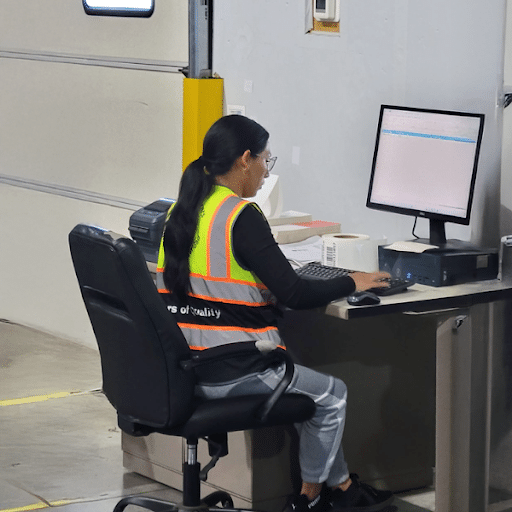
While 3PL services provide the operational framework, it’s the underlying technology that truly brings efficiency and precision to logistics. At the heart of every effective 3PL operation is a robust Warehouse Management System (WMS). We’ve found that a sophisticated WMS is not just a tool; it’s the central nervous system that orchestrates every movement within the warehouse, ensuring seamless integration and optimal performance. Without a powerful WMS, even the most dedicated team would struggle to manage the complexities of modern warehousing.
“A WMS can reduce picking errors by up to 80% and increase inventory accuracy to over 99%, directly impacting customer satisfaction and operational costs.”
In our commitment to providing seamless integration and unparalleled expertise, we leverage cutting-edge WMS technology. This isn’t just about tracking boxes; it’s about managing every SKU, every location, and every transaction with forensic accuracy. From the moment goods arrive at our facilities to the final dispatch, our WMS ensures every step is optimized, documented, and visible to our clients.
Defining a Warehouse Management System (WMS) in Logistics
So, what exactly is a WMS system in logistics? A Warehouse Management System (WMS) is a software solution designed to control and manage daily operations within a warehouse. It guides inventory placement and movement in the most optimal way, tracks inventory levels, manages orders, and optimizes storage space. Think of it as the ultimate organizer for your goods, making sure everything is in its right place and easily retrievable when needed.
Essentially, what is warehouse management in logistics? It’s the process of overseeing and controlling all operations within a warehouse, including receiving, putaway, storage, picking, packing, and shipping. A WMS digitizes and automates many of these processes, moving beyond manual methods that are prone to human error and inefficiency. This system is crucial for maintaining real-time inventory accuracy and ensuring that product integrity is upheld at every stage.
How WMS Empowers 3PL Providers and Their Clients
For 3PL providers like Quality Distribution, LLC., a WMS is indispensable. It empowers us to deliver comprehensive solutions with precision and transparency. Here’s how:
- Enhanced Inventory Accuracy: With a WMS, we can achieve near-perfect inventory accuracy, minimizing discrepancies and preventing stockouts or overstocks. This means clients always have an up-to-date picture of their products.
- Improved Operational Efficiency: The system optimizes processes like putaway, picking, and packing, guiding our team to the most efficient routes and locations. This significantly reduces labor costs and processing times.
- Real-time Visibility: Clients gain real-time access to their inventory data, order statuses, and shipment tracking, fostering trust and enabling better decision-making. We believe in complete transparency, which our WMS facilitates.
- Scalability: As client businesses grow, our WMS can seamlessly handle increased volumes and complexity without compromising performance. This ensures that their logistics infrastructure can scale with their success.
- Better Space Utilization: The WMS intelligently directs where to store incoming goods, optimizing space utilization within our secure warehousing services. This is particularly valuable for specialized storage, like our Food Grade & Medical Grade warehouses with Cold Storage capabilities.
Key Features and Functionalities of a Modern 3PL WMS
The power of a modern WMS lies in its advanced features, which go far beyond simple inventory tracking. These functionalities are what allow us to streamline your supply chain and provide truly reliable and efficient service. We meticulously choose and configure our WMS to ensure it meets the demanding needs of diverse industries, from food-grade products to sensitive medical supplies.
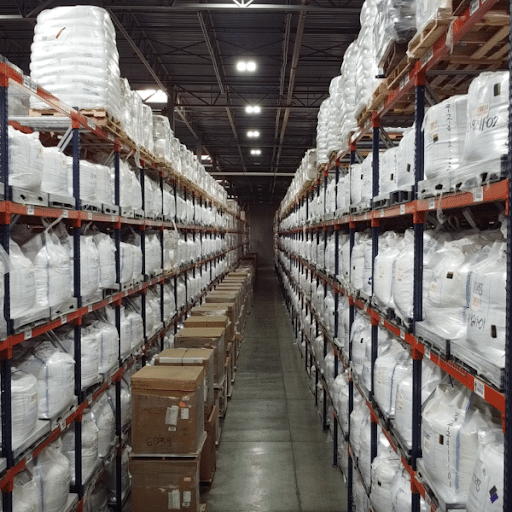
Advanced Inventory Control and Visibility
A top-tier WMS provides holistic control over every item in the warehouse. This includes:
- Real-time Tracking: Every movement, from receiving to shipping, is recorded instantly, providing an accurate, up-to-the-minute view of inventory levels.
- Batch/Lot & Serial Number Tracking: Essential for industries requiring strict traceability, such as food and medical products. Our system ensures precise tracking of specific batches for compliance and recall management.
- FIFO/LIFO/FEFO Management: Automated management of inventory rotation methods (First-In, First-Out; Last-In, First-Out; First-Expiry, First-Out) to minimize spoilage and obsolescence.
- Cross-Docking Optimization: For clients requiring immediate transfer of goods from inbound to outbound transportation, our WMS facilitates seamless cross dock/transloading operations, reducing storage time and handling costs.
Maintaining product integrity is paramount, and our WMS ensures we meet rigorous standards, whether for dry goods or items requiring cold storage.
Optimized Order Fulfillment and Picking Strategies
Efficiency in order fulfillment is critical for customer satisfaction. A WMS significantly enhances this process through:
- Intelligent Picking Strategies: Supports various methods like batch picking, zone picking, and wave picking to optimize routes and accelerate fulfillment speed. Our WMS directs our team along the most efficient paths within the warehouse.
- Automated Packing & Labeling: Integrates with packing stations to ensure accurate labeling and documentation, reducing errors and speeding up dispatch.
- Seamless Integration with Shipping Carriers: Connects directly with major carriers for efficient rate shopping, label generation, and shipment tracking, ensuring prompt and cost-effective delivery. Our 3PL shipping services benefit greatly from this integration.
In our experience, these optimizations are vital for businesses aiming to meet demanding delivery schedules and maintain competitive advantage.
Labor Management and Resource Allocation
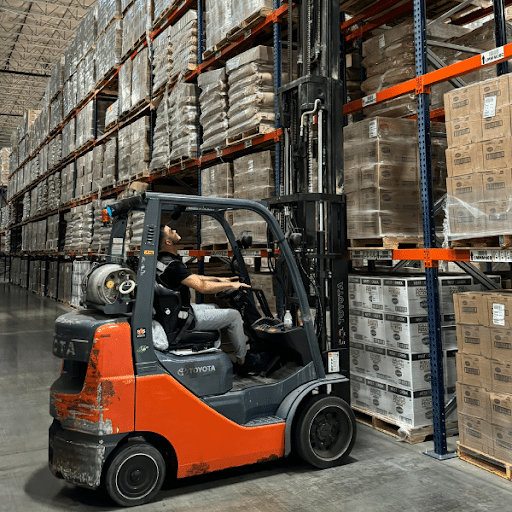
Effective management of human resources within the warehouse is another key strength of a WMS. It provides tools for:
- Task Assignment & Prioritization: Automatically assigns tasks to employees based on proximity, skill, and priority, ensuring efficient use of labor.
- Performance Monitoring: Tracks individual and team productivity, providing insights for training and process improvements. This allows us to continuously enhance our service delivery.
- Workload Balancing: Distributes tasks evenly to prevent bottlenecks and optimize throughput during peak periods.
We’ve implemented these features to ensure our Third Party Logistics, Warehousing, Distribution & Fulfillment services are always operating at peak performance.
Reporting, Analytics, and Performance Monitoring
Data is power, and a WMS provides a wealth of actionable insights:
- Customizable Reports: Generates reports on inventory turns, order accuracy, labor productivity, and more, allowing for data-driven decision-making.
- Key Performance Indicators (KPIs): Tracks critical metrics to measure operational efficiency and identify areas for improvement. This allows us to continuously meet and exceed client expectations.
- Predictive Analytics: Some advanced systems offer predictive capabilities to forecast demand, optimize inventory levels, and plan for future capacity needs.
These analytics are crucial for us to maintain our high standards and ensure unparalleled expertise in logistics.
Integration Capabilities with Supply Chain Ecosystems
A modern WMS doesn’t operate in a vacuum. It integrates seamlessly with other critical business systems, such as:
- Enterprise Resource Planning (ERP) Systems: Syncs inventory, order, and financial data between the warehouse and the broader organization.
- Transportation Management Systems (TMS): Coordinates inbound and outbound shipments for optimized routing and carrier selection.
- E-commerce Platforms: Automate order intake and fulfillment for online businesses, critical for omnichannel strategies.
These integrations ensure a cohesive and transparent supply chain, providing clients with a truly comprehensive solution.
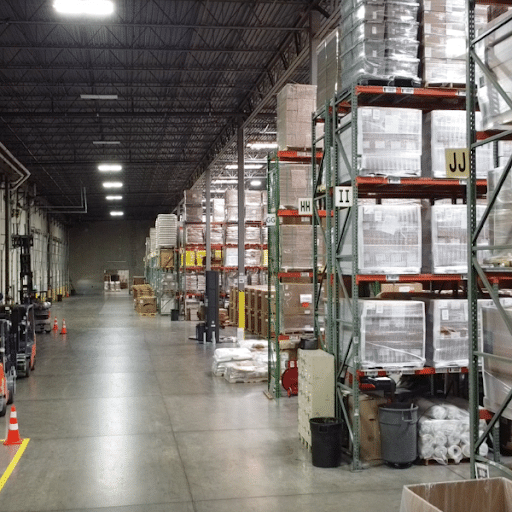
Choosing the Right 3PL and Its WMS for Your Business Needs
Selecting a 3PL partner is a strategic decision that can significantly impact your business’s success. It’s not just about finding space; it’s about finding a partner whose technology and processes align with your unique requirements. We encourage businesses to look beyond surface-level offerings and delve into the capabilities that will truly streamline your supply chain.
Assessing Your Business’s Logistics Requirements
Before you even begin your search, it’s essential to have a clear understanding of your own needs. We recommend asking yourselves the following questions:
- What is your average order volume, and does it fluctuate seasonally?
- What types of products do you sell (e.g., medical devices, food items, oversized goods)? Do they require specialized handling or storage, such as Medical Grade or Food Grade storage?
- What are your shipping requirements (e.g., domestic, international, LTL, FTL, rail)?
- What level of inventory visibility and reporting do you need?
- What compliance standards must your products adhere to (e.g., FDA regulations, as seen with our FDA registration)?
- What is your budget for logistics services?
Understanding these aspects will help narrow down your options and ensure you select a 3PL that can meet your specific needs with confidence and a customer-centric approach.
Questions to Ask About a 3PL’s WMS Capabilities
Once you’ve assessed your own needs, it’s time to evaluate potential 3PL partners. The capabilities of their WMS are paramount. Here are key questions we suggest you ask:
- Does your WMS offer real-time inventory tracking and reporting? Can we access this information via a client portal?
- How does your WMS facilitate order fulfillment accuracy and speed? What picking strategies does it support?
- Can your WMS integrate with our existing ERP or e-commerce platforms? What are the typical integration timelines?
- What level of customization does your WMS offer for specific reporting or operational workflows?
- How do you ensure data security and redundancy within your WMS?
- What support and training do you offer to clients interacting with your WMS?
- How robust are your disaster recovery and business continuity plans for your WMS?
We believe in full transparency regarding our systems and capabilities, ensuring our clients feel secure and informed about their inventory management and logistics operations.
Measuring Return on Investment (ROI) from 3PL WMS Adoption
The investment in a 3PL, particularly one with an advanced WMS, should yield a clear return. We help our clients identify the key metrics to track ROI, such as:
- Reduced Operational Costs: Savings from optimized labor, reduced errors, and better space utilization.
- Improved Inventory Accuracy: Fewer stockouts, less overstock, and minimized waste.
- Faster Order Fulfillment: Leading to higher customer satisfaction and repeat business.
- Enhanced Scalability: Ability to grow without significant capital expenditure on new facilities or equipment.
- Better Data-Driven Decisions: Access to comprehensive analytics to inform strategic planning.
In a recent project, one customer told us that after implementing our comprehensive solutions, their fulfillment speed improved by 25% within the first six months, directly attributing it to the precision of our WMS. This tangible benefit underscores the value of choosing the right partner.
Beyond the Basics: Future Trends in 3PL Warehousing and WMS
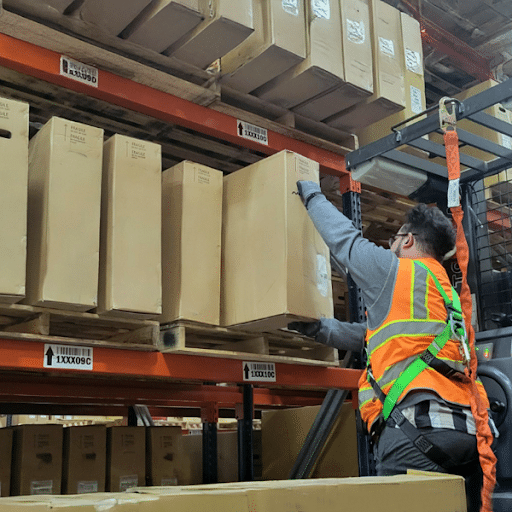
The logistics industry is constantly evolving, driven by technological advancements and shifting consumer demands. At Quality Distribution, LLC., we are committed to staying at the forefront of these innovations, continually evaluating and adopting technologies that enhance our services and provide competitive advantages for our clients. We believe in being proactive, not reactive, when it comes to the future of distribution and warehousing.
Automation and Robotics in the Warehouse
The integration of automation and robotics is rapidly transforming warehouse operations. These technologies promise to improve efficiency, accuracy, and safety while addressing labor shortages. We are closely monitoring developments such as:
- Automated Guided Vehicles (AGVs) and Autonomous Mobile Robots (AMRs): Used for transporting goods within the warehouse, reducing manual labor and speeding up movement.
- Automated Storage and Retrieval Systems (AS/RS): High-density systems that automatically store and retrieve inventory, maximizing space utilization and throughput.
- Robotic Process Automation (RPA): Software bots that handle repetitive administrative tasks within the WMS, freeing up human workers for more complex roles.
While still emerging for some applications, these technologies signify a shift towards increasingly automated and lights-out warehouses, promising even greater efficiency and cost-effectiveness in the long run.
Artificial Intelligence and Machine Learning for Optimization
AI and machine learning (ML) are becoming powerful tools for optimizing various aspects of warehouse and logistics management. These technologies analyze vast amounts of data to uncover patterns and make intelligent predictions:
- Demand Forecasting: AI algorithms analyze historical sales data, seasonal trends, and external factors to predict future demand more accurately, optimizing inventory levels and preventing stockouts.
- Dynamic Slotting: ML can continuously optimize warehouse slotting by identifying the best storage locations for products based on their size, weight, velocity, and picking frequency.
- Route Optimization: AI enhances transportation planning by calculating the most efficient delivery routes, considering traffic, weather, and delivery windows.
- Predictive Maintenance: ML can predict equipment failures in the warehouse, enabling proactive maintenance and reducing downtime.
By harnessing these capabilities, we aim to provide even more predictive and preemptive logistics solutions, further streamlining our clients’ supply chains.
Blockchain for Supply Chain Transparency
Blockchain technology, while still in its early stages of widespread adoption in logistics, holds significant potential for enhancing transparency and traceability across the supply chain. Its decentralized and immutable ledger can provide:
- Enhanced Traceability: A complete, unalterable record of a product’s journey from origin to destination, which is particularly valuable for high-value goods, pharmaceuticals, and food products.
- Improved Trust and Security: By creating a secure and transparent record, blockchain can reduce fraud and increase confidence among all parties in the supply chain.
- Streamlined Documentation: Automated creation and verification of contracts and documentation, reducing administrative burden and speeding up processes.
As these technologies mature, we believe they will further solidify the reliability and efficiency of 3PL services, offering unprecedented levels of trust and accountability for our clients.
Frequently Asked Questions
What is a WMS system in logistics?
A WMS system in logistics is a software application designed to manage and optimize all activities within a warehouse, from the moment goods arrive until they are shipped out. It effectively digitizes tasks like receiving, putaway, picking, packing, and shipping, providing real-time data on inventory levels and locations.
What is warehouse management in logistics?
Warehouse management in logistics refers to the overarching process of meticulously overseeing and coordinating all aspects of warehouse operations. This includes managing inventory, optimizing storage space, processing orders efficiently, and ensuring the timely and accurate movement of goods. A strong warehouse management strategy, often powered by a WMS, minimizes errors and maximizes throughput.
What are the four types of WMS?
While WMS solutions vary widely in complexity and features, they can generally be categorized into a few types: 1. Stand-alone WMS (a dedicated system focused solely on warehouse functions), 2. Supply Chain Management (SCM) module (WMS functionality as part of a larger SCM suite), 3. ERP-integrated WMS (WMS functionality embedded within an Enterprise Resource Planning system), and 4. Cloud-based WMS (software-as-a-service model accessible via the internet). Quality Distribution, LLC. utilizes a robust WMS that integrates seamlessly within our comprehensive logistics ecosystem.
What is the most popular WMS?
Defining the "most popular" WMS can be challenging as popularity often depends on industry, business size, and specific needs. However, leading WMS providers often include solutions from companies like Manhattan Associates, BlueYonder (formerly JDA), Oracle, SAP, and HighJump. The effectiveness of a WMS often comes down to its implementation and how well it integrates with a company's specific operations, rather than just market share. At Quality Distribution, LLC., we continually invest in and refine our WMS to ensure it meets the highest standards for our diverse client base.
Ready to Transform Your Supply Chain? Partner with Quality Distribution, LLC.
For modern businesses, understanding 3PL warehousing and the integral role of a sophisticated warehouse management system logistics solution is no longer optional—it’s a necessity for competitive advantage. We’ve explored how these powerful tools and services enable businesses to overcome logistical challenges, unlock efficiencies, and drive growth by offloading the complexities of supply chain management.
At Quality Distribution, LLC., our 30+ years of logistics mastery provide us with unparalleled expertise in global warehousing, distribution, storage, fulfillment, and transportation.
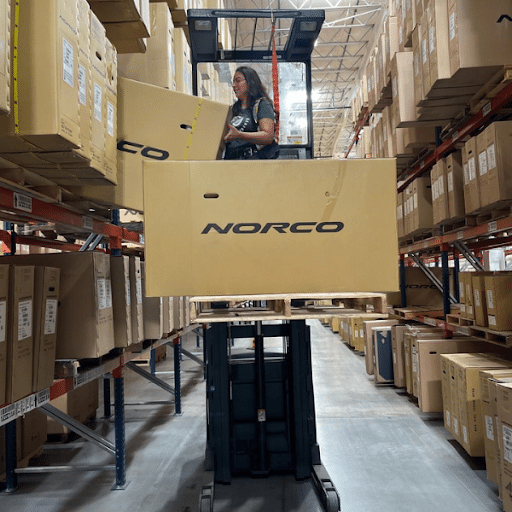
We offer integrated omnichannel and omniservice 3PL solutions, backed by state-of-the-art technology and rigorous security protocols in our five warehouse locations. From specialized storage for food and medical goods to direct indoor rail access for increased efficiency, we are committed to ensuring your products are handled with care, precision, and trust.
By partnering with Quality Distribution, LLC., you gain access to comprehensive solutions designed to streamline your supply chain, optimize your logistics, and ensure product integrity. We invite you to experience the difference a truly integrated, customer-centric approach can make for your business. Let us be your reliable and efficient partner in navigating the complexities of modern logistics, allowing you to focus on what you do best.

- Understanding 3PL Warehousing: A Comprehensive Guide to WMS in Logistics - March 13, 2026
- Comparing 3PL Storage Warehouses: What to Look For - January 6, 2026
- When to Use Local Storage Facilities vs. 3PL Storage Solutions - January 6, 2026